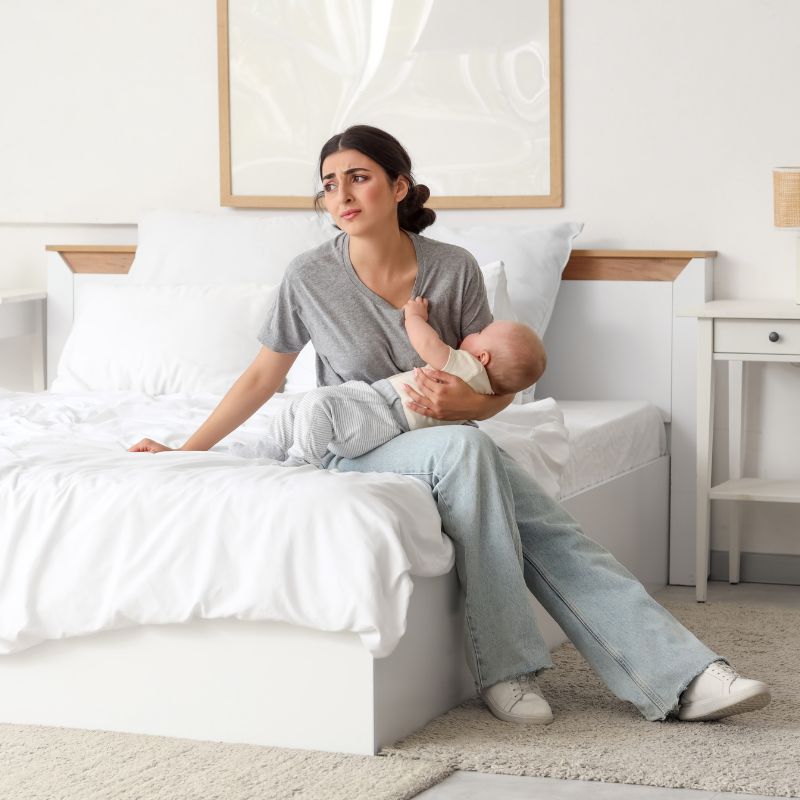
A Hormone-Informed Approach to Women’s Mental Health in PA, NJ, and DE
Many women are told their labs are “normal,” that they’re just stressed, or that anxiety and mood changes are something they need to push through — even when symptoms clearly worsen at certain points in their cycle or during major life transitions.
If you’ve noticed changes in your mood, anxiety, focus, or emotional resilience that seem tied to your hormones, you’re not imagining it. And you’re not alone. This is where reproductive psychiatry comes in.
Reproductive psychiatry is a specialized, hormone-informed approach to mental health care that focuses on how hormonal changes across a woman’s life affect mood, anxiety, cognition, sleep, and overall functioning. Rather than viewing mental health symptoms in isolation, reproductive psychiatry looks at the interaction between the brain, hormones, life stage, and stress — and how these systems influence one another over time.
The goal isn’t to blame hormones for everything. It’s to recognize that hormonal shifts can meaningfully change how symptoms show up, how severe they feel, and what type of treatment is most effective.
Why This Matters for Women’s Mental Health
Women experience unique biological transitions that can significantly impact mental health — often without clear explanations or adequate support.
These transitions include:
- The menstrual cycle
- Pregnancy and the postpartum period
- Perimenopause and menopause

During these times, changes in estrogen, progesterone, and other hormones can influence:
- Neurotransmitters like serotonin and dopamine
- Stress response and emotional regulation
- Sleep quality and energy levels
- Attention, focus, and cognitive clarity
For many women, symptoms don’t feel constant — they fluctuate. Traditional mental health models don’t always account for these patterns.
Life Stages Where Reproductive Psychiatry Can Be Especially Helpful
Menstrual Cycle, PMS, and PMDD
Some women notice predictable mood shifts, anxiety, irritability, or brain fog in the days or weeks leading up to their period. Others experience more severe symptoms, such as PMDD.
A reproductive psychiatry lens looks at timing, patterns, and symptom cycling, rather than treating these changes as random or purely psychological.
Pregnancy and Postpartum
Pregnancy and the postpartum period involve rapid hormonal changes, sleep disruption, and major life adjustments.
Reproductive psychiatry helps address concerns such as:
- Perinatal anxiety or depression
- Intrusive thoughts
- Mood changes related to hormonal shifts
- Medication questions during pregnancy or breastfeeding
Care during this time prioritizes both mental health stability and safety.
Perimenopause and Midlife Transitions
Perimenopause can begin years before menopause and is often overlooked. Mood changes, anxiety, irritability, sleep disruption, and brain fog are common — and frequently misattributed to stress alone. Reproductive psychiatry acknowledges that hormonal variability, not just hormone levels, can affect mental health during this stage.
How Reproductive Psychiatry Is Different from Traditional Care
Reproductive psychiatry doesn’t replace standard psychiatric care — it adds context and nuance.
Key differences include:
- Paying attention to symptom timing and patterns
- Considering hormonal transitions alongside mental health diagnoses
- Individualizing medication decisions based on life stage
- Integrating lifestyle, nutrition, and supportive interventions when appropriate
- Emphasizing education so women understand why symptoms are happening
This approach often helps women feel more informed, validated, and involved in their care.
Signs You Might Benefit from a Reproductive Psychiatry Approach

You don’t need a formal diagnosis to benefit from hormone-informed care. This approach may be helpful if:
- Your mood or anxiety worsens at specific times in your cycle
- Symptoms changed significantly after pregnancy or childbirth
- Medications that once worked no longer feel effective
- You feel more emotionally reactive, anxious, or foggy during perimenopause
- You’ve been told “everything looks normal,” but don’t feel like yourself
These experiences are common — and they deserve thoughtful attention.
What Care Can Look Like
Reproductive psychiatry is not one-size-fits-all. Care may include:
- Thoughtful psychiatric medication management
- Education about hormone-brain connections
- Collaboration around labs or hormone-informed care when appropriate
- Integrative supports, such as lifestyle and nutritional guidance
- Ongoing adjustment as your body and needs change
The focus is on clarity, stability, and feeling more like yourself again.
Looking for Hormone-Informed Mental Health Care in PA, NJ, or DE?

Brianna Dawson
MSN, PMHNP-BC
Psychiatric Nurse Practitioner
Founder, Behavioral Wellness for Women
Serving women virtually across Pennsylvania, New Jersey, and Delaware
If you’re a woman in Pennsylvania, New Jersey, or Delaware and are wondering whether your mental health symptoms may be influenced by hormonal changes, you don’t have to figure it out alone.
I offer a complimentary 15-minute phone consultation to help you:
- Talk through what you’re experiencing
- Understand whether a reproductive psychiatry approach may be helpful
- Clarify next steps without pressure or commitment
👉 Schedule your complimentary 15-minute phone consultation to see if working together feels like a good fit.