Published
May 29, 2026
Category
Baby Blues vs Postpartum Depression: How to Know the Difference

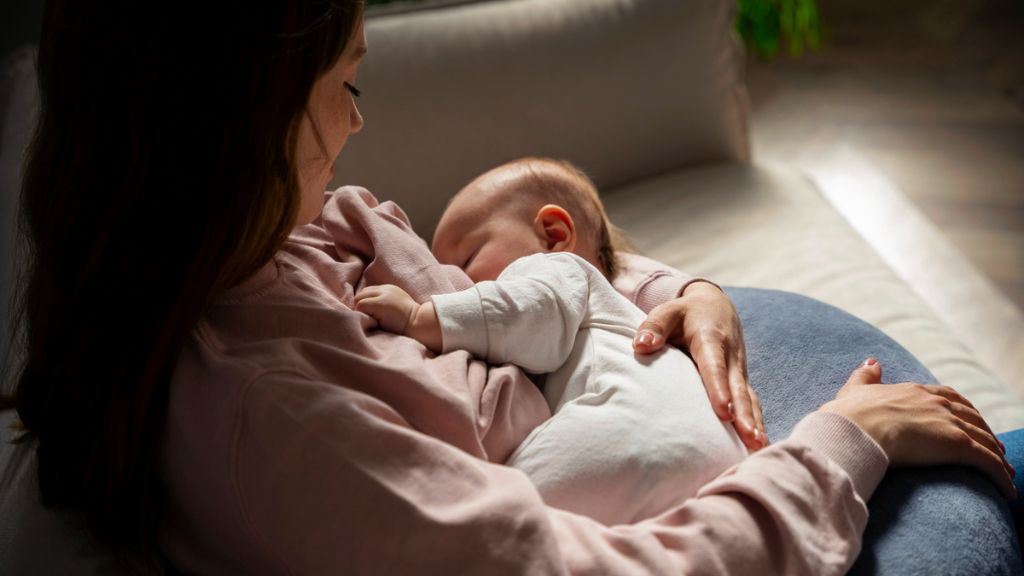
Bringing home a new baby can come with joy, gratitude, excitement… and emotions that feel completely overwhelming all at once.
Many women expect sleepless nights and exhaustion postpartum. What they don’t expect is crying over small things, feeling emotionally fragile, becoming easily overwhelmed, or wondering why they suddenly don’t feel like themselves.
One of the most common questions I hear is:
“Is this just the baby blues… or could it be postpartum depression?”
The truth is: both are common, but they are not the same thing.
Understanding the difference can help you recognize when additional support may be helpful — and remind you that struggling postpartum does not mean you’re failing.

What Are the Baby Blues?
The “baby blues” are extremely common and affect up to 80% of women after childbirth.
They are largely related to:
- Rapid hormone shifts after delivery
- Sleep deprivation
- Physical recovery from childbirth
- Emotional adjustment to motherhood
- Increased mental and emotional load
Symptoms often include:
- Crying easily
- Feeling emotionally sensitive
- Mood swings
- Irritability
- Feeling overwhelmed
- Anxiety or worry
- Difficulty sleeping even when tired
The important distinction is that baby blues are typically temporary.
Symptoms usually:
- Begin within the first few days after delivery
- Peak around days 4–5
- Improve within about 2 weeks postpartum
While the emotions can feel intense, most women still experience moments of connection, relief, or emotional recovery throughout the day.

What Is Postpartum Depression?
Postpartum depression (PPD) is more than feeling emotional or overwhelmed after having a baby.
It is a real mental health condition that can affect mood, energy, motivation, sleep, appetite, bonding, concentration, and overall functioning.
Unlike baby blues, postpartum depression symptoms:
- Last longer than 2 weeks
- Often become more intense over time
- Can significantly impact daily functioning
- May make it difficult to feel like yourself
Symptoms of postpartum depression may include:
- Persistent sadness or hopelessness
- Feeling emotionally numb
- Loss of interest in things you normally enjoy
- Constant guilt or feelings of inadequacy
- Increased irritability or rage
- Excessive anxiety or panic
- Intrusive thoughts
- Difficulty bonding with your baby
- Changes in appetite
- Severe fatigue
- Feeling detached from yourself or others
- Thoughts of wanting to escape or disappear
Many high-functioning women with postpartum depression continue “getting everything done” while silently struggling internally.
Because of this, postpartum depression is often missed.
Baby Blues vs Postpartum Depression: Key Differences
Baby Blues
- Begins shortly after delivery
- Improves within 2 weeks
- Emotional but temporary
- Symptoms fluctuate throughout the day
- Usually mild to moderate impairment
Postpartum Depression
- Persists longer than 2 weeks
- May worsen without support
- Impacts functioning and quality of life
- Often includes hopelessness, numbness, or severe anxiety
- May interfere with sleep, bonding, or daily activities
If you find yourself wondering:
- “Why don’t I feel like myself?”
- “Why does everything feel so heavy?”
- “Why can’t I shut my brain off?”
- “Why do I feel constantly on edge?”
…it may be worth seeking additional support.

When Should You Reach Out for Help?
You do not need to wait until things feel unbearable to seek support.
Many women benefit from professional support when they notice:
- Symptoms lasting longer than 2 weeks
- Difficulty functioning day-to-day
- Constant anxiety or intrusive thoughts
- Feeling emotionally disconnected
- Increased rage or irritability
- Trouble sleeping even when exhausted
- Persistent overwhelm that is not improving
Postpartum mental health symptoms are common, treatable, and deserving of support.
Postpartum Mental Health Support
At Behavioral Wellness for Women, I work with women navigating postpartum anxiety, postpartum depression, intrusive thoughts, overwhelm, mood changes, and hormone-related mental health concerns.
My approach combines:
- Psychiatric evaluation
- Medication management when appropriate
- Hormone-informed care
- Collaborative treatment planning
- Clear explanations and individualized support
Many women come in feeling dismissed, confused, or unsure whether what they’re experiencing is “serious enough.”
You do not need to wait until you completely fall apart to deserve support.

Brianna Dawson
MSN, PMHNP-BC
Request a Complimentary Phone Consultation
If you’ve been wondering whether what you’re experiencing is normal postpartum adjustment or something more, support is available.
I offer complimentary phone consultations to help determine the next best step for your care.
I am licensed to provide psychiatric care in:
- Pennsylvania
- New Jersey
- Delaware
- Florida
Leave a Reply
Beyond “Your Labs Are Normal”: What the Mood & Hormone Clarity Evaluation Includes

Beyond “Your Labs Are Normal”: What the Mood & Hormone Clarity Evaluation Includes
Beyond “Your Labs Are Normal”: What the Mood & Hormone Clarity Evaluation Includes
Beyond “Your Labs Are Normal”: What the Mood & Hormone Clarity Evaluation Includes
Most Loved Posts
What It Really Means When Your Lab Results Are “Normal”
What It Really Means When Your Lab Results Are “Normal”
What It Really Means When Your Lab Results Are “Normal”
What It Really Means When Your Lab Results Are “Normal”
Most Loved Posts
Signs You Might Be in Perimenopause (Even If Your Period Is Still Regular)

Signs You Might Be in Perimenopause (Even If Your Period Is Still Regular)
Signs You Might Be in Perimenopause (Even If Your Period Is Still Regular)
Signs You Might Be in Perimenopause (Even If Your Period Is Still Regular)
Most Loved Posts
Could Your Hormones Be Affecting Your Mood? A Different Approach to Women’s Mental Health

Could Your Hormones Be Affecting Your Mood? A Different Approach to Women’s Mental Health
Could Your Hormones Be Affecting Your Mood? A Different Approach to Women’s Mental Health
Could Your Hormones Be Affecting Your Mood? A Different Approach to Women’s Mental Health
Most Loved Posts
Baby Blues vs Postpartum Depression: How to Know the Difference
Baby Blues vs Postpartum Depression: How to Know the Difference
Baby Blues vs Postpartum Depression: How to Know the Difference
Baby Blues vs Postpartum Depression: How to Know the Difference
Most Loved Posts
Do I Need Labs Before Starting Hormone Therapy? What Women in Perimenopause Should Know

Do I Need Labs Before Starting Hormone Therapy? What Women in Perimenopause Should Know
Do I Need Labs Before Starting Hormone Therapy? What Women in Perimenopause Should Know
Do I Need Labs Before Starting Hormone Therapy? What Women in Perimenopause Should Know
