7 Supplements That Can Support Women’s Mental Health and Hormonal Balance
Category
February 3, 2026
Published
From a Psychiatric Nurse Practitioner Serving Women in PA, NJ, and DE
Women’s mental health is deeply connected to hormones, nutrition, stress, and life stage. As a psychiatric nurse practitioner specializing in women’s mental health, I often see how nutritional gaps can show up as changes in mood, energy, sleep, focus, and overall resilience—especially during hormonally dynamic seasons like menstruation, pregnancy, postpartum, and perimenopause.
While supplements are not a replacement for comprehensive mental health care, they can play a supportive role when thoughtfully chosen and individualized. Below are seven supplements women commonly benefit from across different stages of life, along with guidance on when food alone may be enough.
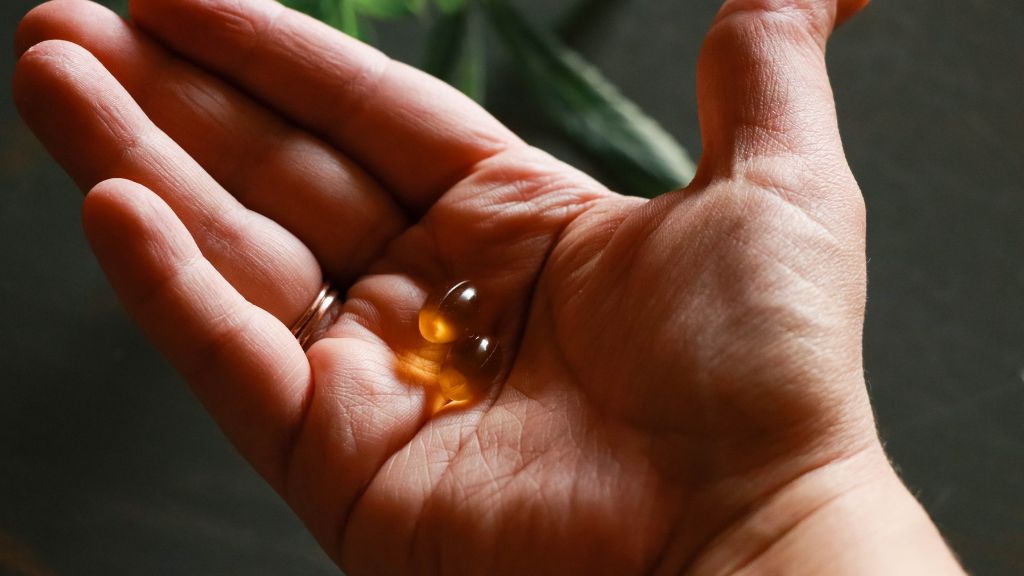
1. Omega-3 Fatty Acids (EPA/DHA)
What they do
Omega-3s help reduce inflammation, support heart health, and play an important role in brain signaling and neurotransmitter function.
Why they’re important for women
Women experience higher rates of mood disorders and inflammatory conditions. Omega-3s support both brain and cardiovascular health across the lifespan and are especially relevant during pregnancy, postpartum, and times of increased emotional stress.
Signs intake may be low
- Dry skin
- Joint stiffness
- Brain fog or low mood
Who may benefit most
- Women with mood concerns (such as depressed mood)
- Pregnancy or postpartum
- Cardiometabolic risk factors
General guidance
Omega-3s are best absorbed when taken with meals containing fat. Food alone may be sufficient if fatty fish (such as salmon or mackerel) is eaten consistently 2–3 times per week.
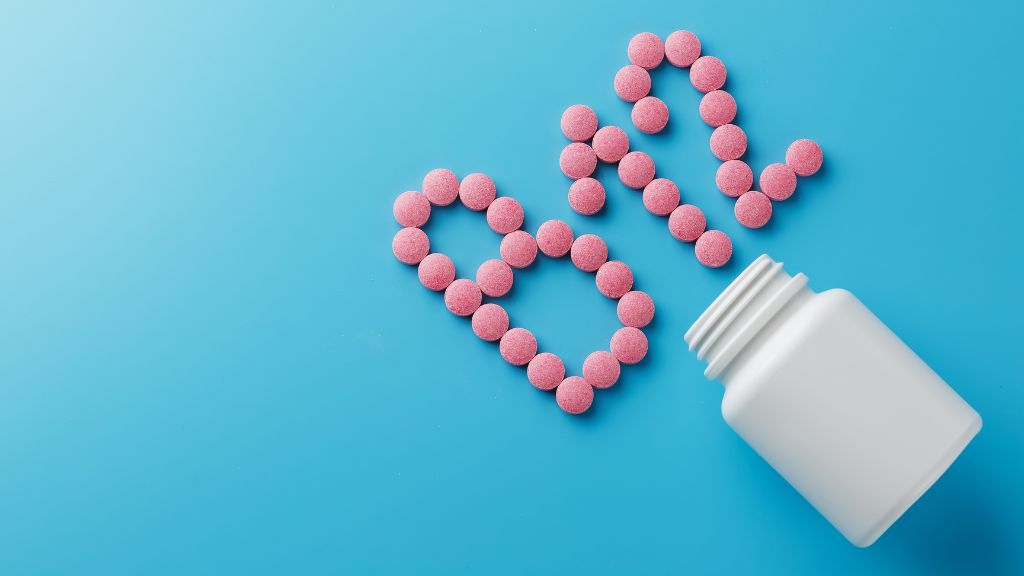
2. B-Complex Vitamins (B6, Folate/B9, B12)
What they do
B vitamins help the body turn food into energy, support brain chemicals involved in mood and focus, and play a key role in healthy blood and nerve function.
Why they’re important for women
Hormonal cycling and chronic stress can cause the body to use up B vitamins more quickly. Needs are also higher during pregnancy and postpartum.
Signs intake may be low
- Fatigue or low energy
- Brain fog or irritability
- Poor stress tolerance
- Numbness or tingling
Who may benefit most
- Pregnancy or postpartum
- High stress levels
- Plant-based diets
- Digestive absorption issues
- Certain medications (such as metformin or PPIs)
General guidance
B vitamins are often best taken in the morning and with food. When taken at night, they may feel activating and disrupt sleep.
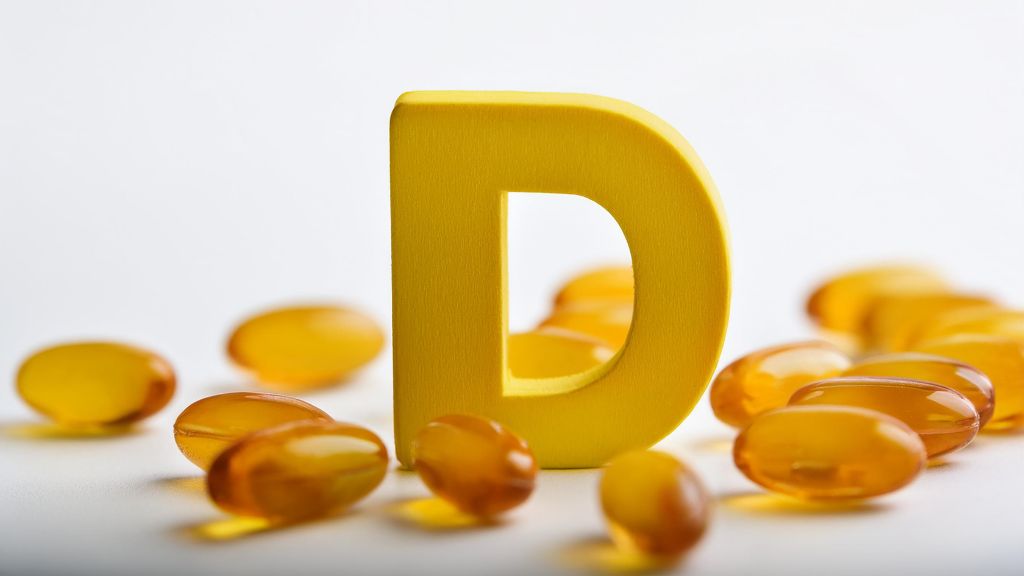
3. Vitamin D
What it does
Vitamin D supports bone health, immune function, muscle strength, and mood regulation.
Why it’s important for women
Vitamin D deficiency is very common, particularly for women living in northern states like Pennsylvania, New Jersey, and Delaware, or those with limited sun exposure.
Signs intake may be low
- Frequent illness
- Low mood
- Muscle or bone aches
Who may benefit most
- Limited sun exposure
- Darker skin tones
- Indoor lifestyles
- Winter months
General guidance
Vitamin D is best taken with fat-containing meals. Diet alone is rarely sufficient, and dosing is ideally guided by lab work.
4. Iron

What it does
Iron carries oxygen in the blood and supports energy levels and cognitive function.
Why it’s important for women
Menstrual blood loss, pregnancy, and postpartum recovery significantly increase iron needs.
Signs intake may be low
- Fatigue
- Dizziness
- Hair shedding
- Shortness of breath with exertion
Who may benefit most
- Heavy menstrual bleeding
- Pregnancy or postpartum
- Endurance athletes
- Documented iron deficiency
General guidance
Iron supplementation should be lab-guided when possible. It’s best absorbed with vitamin C and should not be taken at the same time as calcium or magnesium.
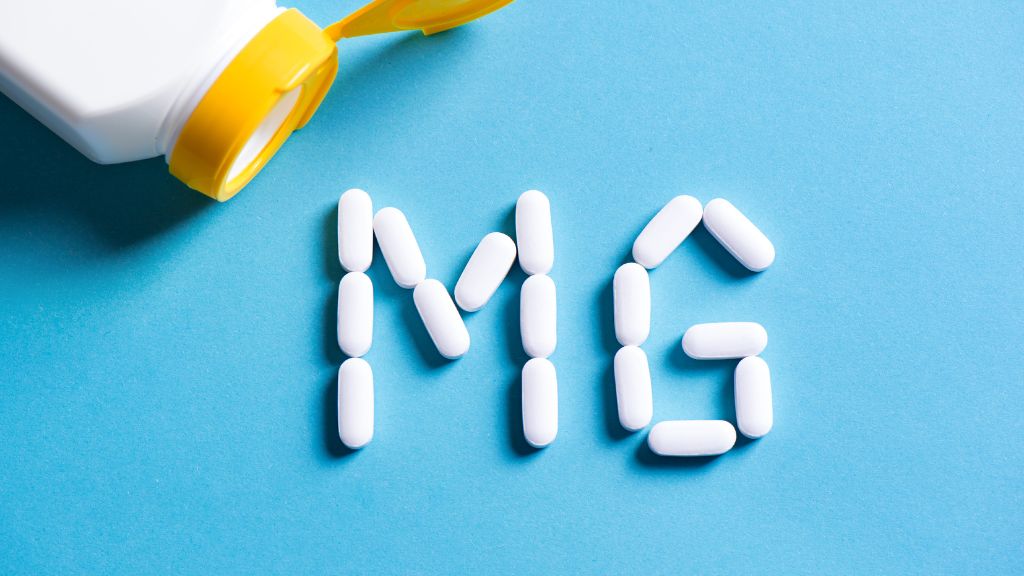
5. Magnesium
What it does
Magnesium supports energy production, muscle relaxation, and nervous system regulation.
Why it’s important for women
Stress increases magnesium depletion, and many women notice benefits for sleep quality, muscle tension, and premenstrual symptoms.
Signs intake may be low
- Muscle cramps
- Constipation
- Poor sleep
- Tension headaches
Who may benefit most
- High stress levels
- Sleep difficulties
- Premenstrual symptoms such as headaches, anxiety, muscle cramps, or bloating
General guidance
Magnesium is often taken in the evening. Forms such as magnesium glycinate are generally well tolerated and commonly used for sleep and muscle tension.
6. Zinc

What it does
Zinc supports immune function, hormone metabolism, and brain pathways involved in attention, focus, and emotional regulation.
Why it’s important for women
Zinc plays a role in stress resilience and hormonal balance and may support cognitive clarity during periods of high mental or physical demand.
Signs intake may be low
- Frequent infections
- Slow wound healing
- Hair shedding
- Difficulty concentrating
Who may benefit most
- Restrictive diets
- Digestive absorption issues
- Frequent illness or brain fog
General guidance
Zinc should be taken with food to avoid nausea. Long-term high-dose supplementation should be avoided without clinical guidance.
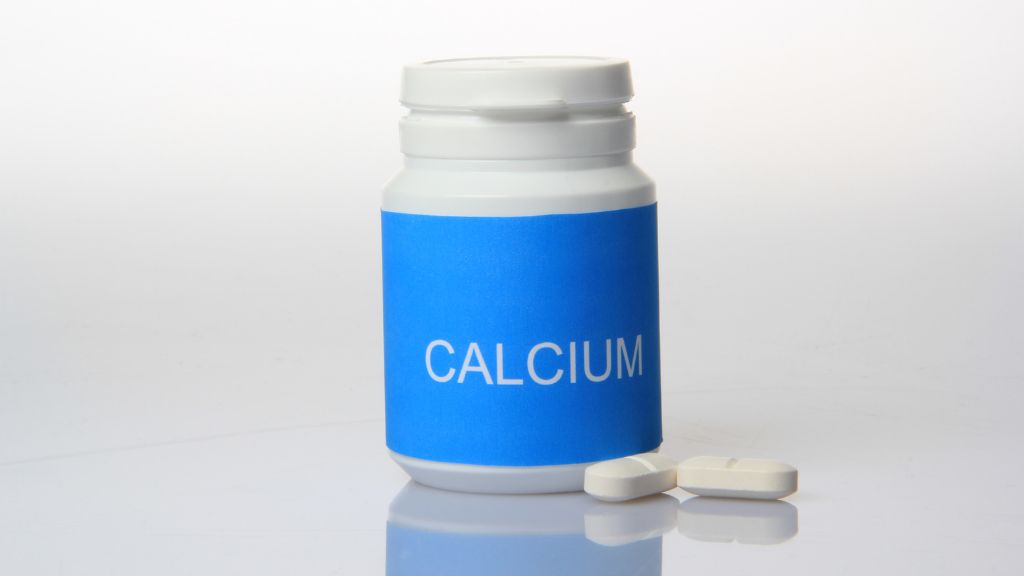
7. Calcium
What it does
Calcium builds and maintains bone structure and supports muscle contraction and nerve signaling.
Why it’s important for women
Bone density preservation becomes increasingly important during midlife and later years. Calcium may also help reduce premenstrual symptoms.
Signs intake may be low
- Low intake of dairy or fortified foods
- Increased fracture risk over time
Who may benefit most
- Low dietary intake
- Dairy avoidance or lactose intolerance
General guidance
A food-first approach is preferred. If supplementing, doses should be split and excessive intake avoided. Adequate calcium may help ease cramps, bloating, and breast tenderness before a period.
A Thoughtful, Individualized Approach Matters
Supplements work best when they are personalized, not taken as a one-size-fits-all solution. More is not always better, and individual needs vary based on symptoms, life stage, diet, and medical history. When possible, lab data and clinical context should guide decisions.
Wondering what approach makes sense for you?
If you’re a woman living in Pennsylvania, New Jersey, or Delaware and are experiencing mood changes, anxiety, brain fog, sleep disruption, or hormone-related mental health concerns, I offer a complimentary 15-minute phone consultation to help you clarify next steps.

Brianna Dawson
MSN, PMHNP-BC
Psychiatric Nurse Practitioner
Founder, Behavioral Wellness for Women
Fort Washington, PA
📧 brianna@behavioralwellnessforwomen.com
Schedule your complimentary 15-minute phone consultation to discuss your concerns and see whether working together feels like a good fit.