Losing Yourself in Motherhood: Why So Many Women Feel Disconnected — and How to Find Your Way Back
Category
October 27, 2025
Published
“I love my baby… but I don’t feel like myself.”
It’s one of the most common — yet least discussed — experiences in early motherhood.
You adore your child, but somewhere between pregnancy, sleepless nights, and keeping everything together, you look in the mirror and barely recognize the woman staring back.
You wonder:
Who am I now?
Where did I go?
And will I ever feel like myself again?
If that sounds familiar, you’re far from alone.
The Invisible Shift from Woman to Mother
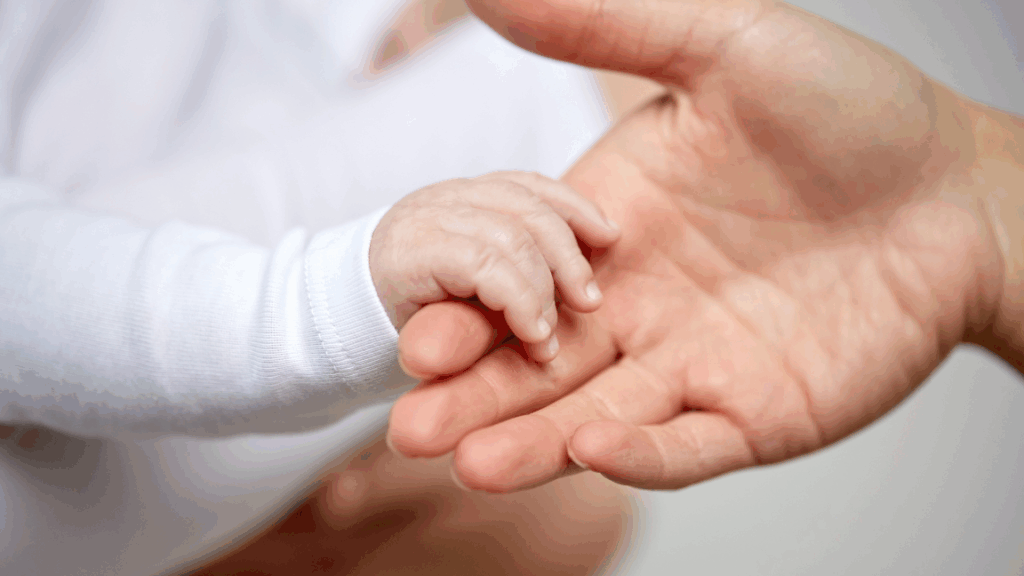
Motherhood transforms us in ways that are profound, both physically and psychologically.
Hormones change, priorities shift, and so much of your identity becomes tied to caring for another human being. But while everyone celebrates the baby, few people ask how you’re doing — or who you’re becoming.
That silence can feel disorienting.
You may find yourself missing your old routines, your independence, or even your ambition — and then feel guilty for it. But those feelings aren’t selfish. They’re human.
They’re the mind’s way of saying: You deserve space, too.
Why Identity Loss in Motherhood Is So Common
When you become a mother, nearly every structure that once defined your life changes — your sleep, your body, your relationships, your schedule, and even your sense of time.
For high-achieving or deeply self-aware women, this shift can feel like an internal earthquake.
- Your old goals might not feel fulfilling.
- Your sense of control may feel shattered.
- The version of you that used to feel confident and clear suddenly feels blurry.
And because our culture often romanticizes motherhood as “the most natural thing in the world,” women can feel shame when it doesn’t feel natural at all.
But identity loss doesn’t mean you’re doing something wrong — it means you’re going through a rebirth of your own.
The Psychological and Hormonal Layers
Beyond the emotional toll, biology plays a role too. Hormonal changes during pregnancy and postpartum — fluctuations in estrogen, progesterone, and thyroid hormones — directly influence neurotransmitters like serotonin and dopamine.
That’s why so many women notice heightened anxiety, irritability, or sadness that feels “out of nowhere.”
Layer on the pressure to do it all — breastfeeding, working, maintaining relationships — and your nervous system can easily tip into exhaustion.
Integrative psychiatry acknowledges these overlaps. It recognizes that your symptoms aren’t just in your head — they’re a reflection of your body, environment, and identity all evolving at once.
How to Begin Finding Yourself Again

Healing doesn’t mean returning to who you were before motherhood.
It means rediscovering who you are within it.
Here’s where I often begin with my clients:
- Reclaim moments of stillness.
Even five minutes without multitasking can help you reconnect to yourself. - Nourish your body as an act of self-respect.
Address nutrient gaps, hydration, and sleep. Supplements like magnesium or omega-3s can support the nervous system, but the foundation is rest and nourishment. - Release the myth of doing it all.
True strength lies in letting others help — whether that’s your partner, family, or a provider who truly understands. - Integrate mind-body care.
Therapy, mindfulness, and medication (when needed) can work synergistically to stabilize mood and rebuild emotional capacity.
Reflect, don’t rush.
You are in transition — not regression. This is the space where your next version of self is forming.
You Deserve to Feel Whole Again
Motherhood asks so much of you — your time, your energy, your identity. But you deserve care that pours back into you with the same intentionality you give everyone else.
At Behavioral Wellness for Women, I specialize in helping mothers navigate this identity shift through personalized, integrative mental health care that supports both emotional and biological healing.
Because when a mother feels grounded, the whole family heals.

Brianna Dawson
PMHNP-BC