2026 Predictions in Women’s Mental Health: What’s Coming Next
Category
December 8, 2025
Published
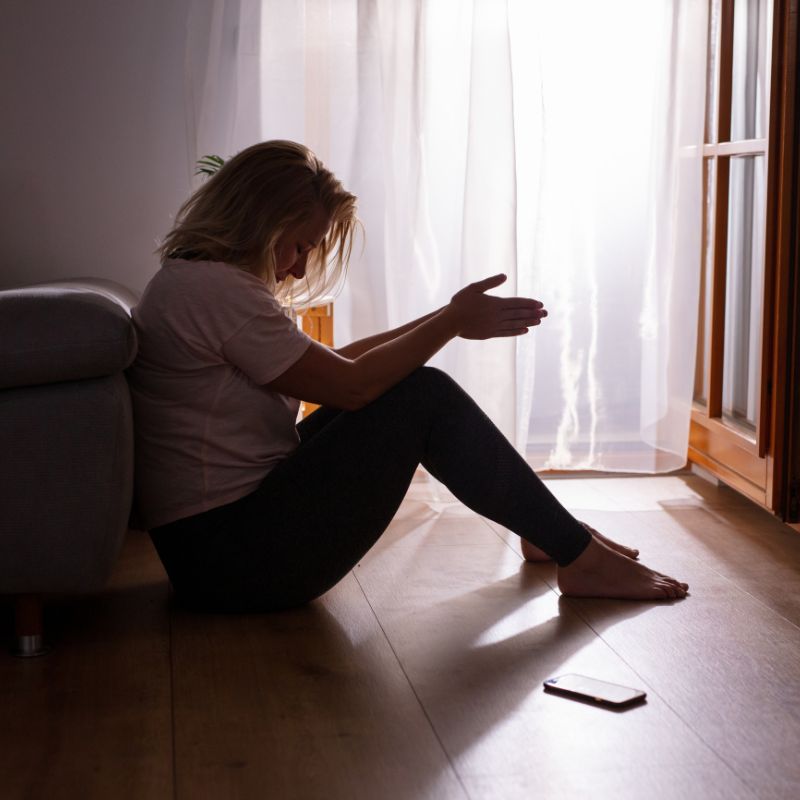
Women’s mental health has been overlooked, underfunded, and misunderstood for decades — but the landscape is shifting quickly. Between hormonal research, wearable data, workplace pressures, rising anxiety rates, and new approaches to care, 2026 is shaping up to be a year of major transformation.
As a psychiatric nurse practitioner who specializes in women’s mental health, here are the key trends I anticipate becoming mainstream in the coming year.
1. Hormone-Mental Health Integration Goes Mainstream
For years, women’s mental health and hormones were treated like two separate worlds.
In 2026, that separation will finally start disappearing.
We’ll see:
- more clinicians screen for PMDD, PCOS, postpartum mood disorders
- more providers ordering labs to understand fatigue, mood, and anxiety
- more conversations about perimenopause beginning ten years too late
- more women understanding that mood symptoms are not “just stress”
Women want answers, not dismissal.
And practices that can speak confidently about hormones and mental health will lead the field.
2. More Women Advocating for Early Intervention
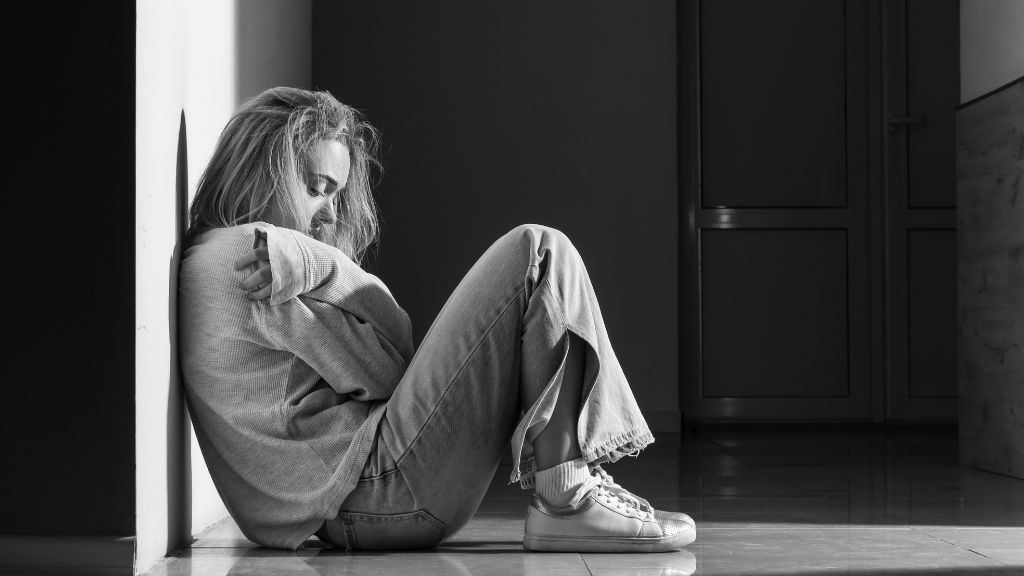
Women are done suffering in silence for years before pursuing treatment.
With the rise of mental health education online, more women are:
- recognizing symptoms earlier
- asking better questions
- refusing to normalize burnout
- challenging medical gaslighting
- seeking medication sooner
- choosing providers who take their concerns seriously
I predict a surge of women in their 20s, 30s, and 40s seeking care before crisis, not after.
3. Anxiety, ADHD, and PMDD Will Become the “Big Three” Focus for Women
These three conditions are exploding in prevalence:
• High-functioning anxiety
driven by career pressure, motherhood, financial stress, overstimulation, and perfectionism
• Late-diagnosed ADHD in women
especially women who excelled academically but struggled silently for years
• PMDD + cyclical mood symptoms
finally being taken seriously instead of dismissed as “PMS”
2026 will be the year these three diagnoses become core conversations in women’s mental health.
4. Workplace Mental Health Support for Women Will Expand

Companies are beginning to understand that women face:
- cognitive overload
- emotional labor
- postpartum transitions
- fertility challenges
- hormonal shifts
- caregiving burnout
In 2026, we’ll see:
- more parental leave support
- more accommodations for perinatal and postpartum mental health
- more workplace benefits including mental health stipends
- more flexible work structures
Supporting women emotionally = supporting women professionally.
5. Concierge and Cash-Based Women’s Mental Health Practices Will Rise
Women are exhausted from:
- long waitlists
- 7-minute visits
- feeling rushed
- being dismissed
- providers who don’t specialize in their needs
More women want:
- longer appointments
- integrative care
- relationship-based support
- guidance on hormones, nutrition, supplements
- personalized treatment
- access to their provider between visits
Cash-based, boutique-style women’s mental health will expand dramatically in 2026 — because women want care that actually works.
6. Wearable Data Will Become Part of Women’s Mental Health Care
Oura, Apple, WHOOP — these devices give insights into:
- sleep quality
- HRV
- stress levels
- recovery
- cycle tracking
Mental health providers will begin integrating wearable insights into treatment conversations.
7. More Collaboration Between Mental Health and Women’s Healthcare Providers
OB-GYNs, pelvic floor PTs, nutritionists, doulas, lactation consultants, and mental health providers will start collaborating more closely.
This “circle of care” approach will finally reflect what women actually need:
holistic, integrative, collaborative support.
2026 is shaping up to be a year of expansion in women’s mental health — more conversations, more research, more specialized care, and more women advocating for themselves.
And honestly?
It’s overdue.
Women deserve support that sees the full picture — body, brain, hormones, life transitions, and the emotional load they carry every day.
If you’re reading this and thinking, “I want this level of care now,” you’re not alone.
Women are done with rushed appointments and outdated advice, and you deserve support that reflects where women’s mental health is truly heading.
If these predictions feel relevant to your own life — whether you’re navigating anxiety, PMDD, ADHD, hormonal shifts, or burnout — you don’t have to figure it out alone.

Brianna Dawson
PMHNP-BC
You can book a complimentary 15-minute phone consultation where we’ll discuss what you’re experiencing, what’s changing in women’s mental health, and how an integrative approach can help you feel more supported in the year ahead.

Leave a Reply
Most Loved Posts