Could Your Hormones Be Affecting Your Mood? A Different Approach to Women’s Mental Health
Category
June 8, 2026
Published
Have you ever felt like something was off, but you couldn’t quite explain why?
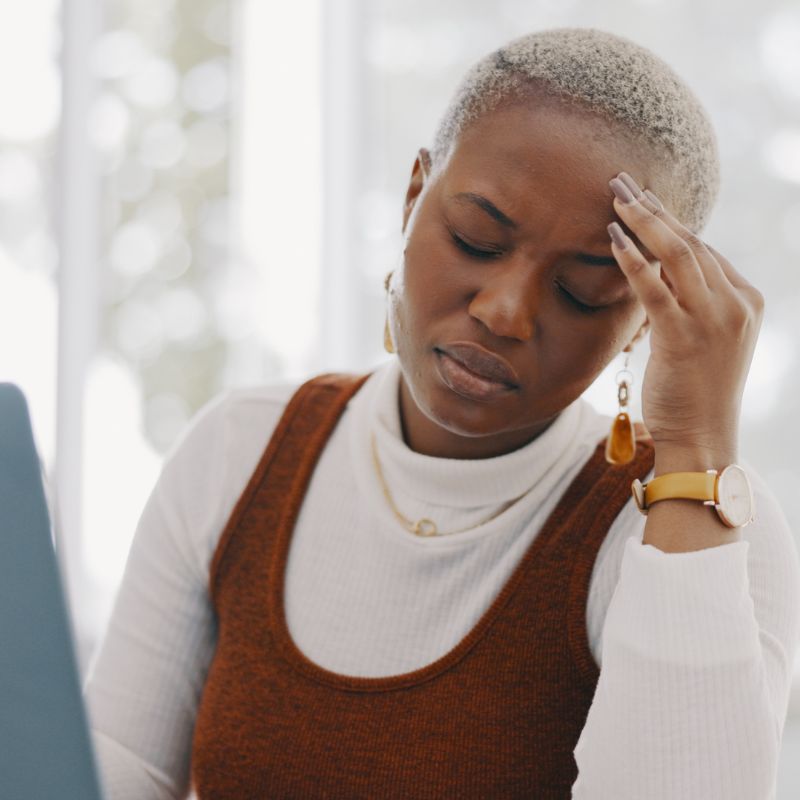
Maybe you’ve noticed more anxiety than usual. You’re feeling overwhelmed by things that never used to bother you. Your patience is shorter. Your sleep isn’t as restorative. You’re forgetting things, struggling to focus, or feeling exhausted no matter how much rest you get.
You’re functioning. You’re showing up for work, taking care of your family, managing your responsibilities, and checking all the boxes. But deep down, you know you don’t feel like yourself.
Many women are told their symptoms are simply stress, a normal part of aging, or something they’ll just have to push through.
But what if there was more to the story?
At Behavioral Wellness for Women, I often work with women who are looking for answers—not just symptom management. They want to understand why they’re feeling the way they do and whether hormones, physical health, lifestyle factors, and mental health may all be playing a role.

Why Many Women Don’t Feel Heard
One of the most common things I hear from women is:
“I know something is wrong, but I can’t explain it.”
They’ve often seen multiple providers, had basic lab work completed, tried different medications, or been told everything looks normal.
Yet they continue to experience symptoms such as:
- Anxiety
- Irritability
- Mood changes
- Brain fog
- Fatigue
- Difficulty concentrating
- Poor sleep
- Feeling emotionally overwhelmed
The reality is that mental health symptoms are often influenced by multiple factors happening at the same time.
That’s why taking a comprehensive approach can be so valuable.
The Connection Between Hormones and Mental Health
Hormones influence much more than reproductive health.
Changes in hormones such as estrogen and progesterone can affect mood, sleep, concentration, energy levels, stress tolerance, and emotional regulation.
This is one reason many women notice changes in how they feel during:
- The menstrual cycle
- Pregnancy
- The postpartum period
- Perimenopause
For some women, symptoms may show up as increased anxiety. For others, it may look like irritability, low mood, poor sleep, or feeling emotionally reactive.
Hormones aren’t always the entire explanation, but they are often an important piece of the puzzle.If you’re wondering whether symptoms such as anxiety, irritability, sleep disruption, or brain fog may be related to perimenopause, you’re not alone.
Hormones Are Only One Piece of the Puzzle
One of the biggest misconceptions in women’s mental health is that symptoms are either hormonal or psychological.
In reality, it’s often much more complex.
Several factors can influence how you feel emotionally and physically.
Nutrient Deficiencies
Low levels of nutrients such as vitamin D, iron, vitamin B12, and magnesium may contribute to symptoms like fatigue, low mood, difficulty concentrating, and decreased energy.
Sleep Quality
Poor sleep can significantly affect mood, anxiety, focus, memory, and stress tolerance.
Physical Health
Thyroid dysfunction, blood sugar imbalances, inflammation, and other medical concerns can sometimes contribute to symptoms that look very similar to anxiety or depression.
Lifestyle Factors
Stress, nutrition, movement, and daily habits all influence mental wellness.
Looking at these factors together often provides valuable insight that might otherwise be missed.

A Different Approach to Women’s Mental Health
Many women come to my practice feeling frustrated because their symptoms have been viewed in isolation.
Maybe they’ve been prescribed medication without discussing other factors that could be contributing.
Maybe they’ve been told their lab work is normal.
Maybe they feel like no one has taken the time to connect the dots.
At Behavioral Wellness for Women, the goal isn’t simply to identify a diagnosis.
The goal is to better understand the factors that may be contributing to your symptoms so we can create a personalized treatment plan that makes sense for you.
Every woman is different.
Your treatment plan should be too.
What Is the Mood & Hormone Clarity Evaluation?
This philosophy is the foundation of the Mood & Hormone Clarity Evaluation.
The evaluation was created for women who want a more comprehensive understanding of what may be contributing to symptoms such as anxiety, depression, fatigue, brain fog, sleep concerns, PMDD symptoms, postpartum mood changes, and perimenopause-related changes.
Rather than focusing only on symptoms, the evaluation takes a deeper look at multiple factors that may be affecting how you’re feeling.
The process includes:
- A comprehensive psychiatric evaluation
- Detailed symptom review
- Comprehensive laboratory testing
- Hormone assessment when appropriate
- Nutrient assessment
- Sleep evaluation
- Lifestyle review
- Personalized treatment recommendations
Depending on your unique situation, recommendations may include:
- Medication options
- Supplement recommendations
- Sleep support strategies
- Lifestyle modifications
- Hormonal considerations
- Coordination with other healthcare providers when appropriate
The goal isn’t to assume hormones are causing every symptom.
The goal is to gather meaningful information that helps create a personalized roadmap forward.

Who May Benefit From This Approach?
This approach may be helpful for women experiencing:
- Anxiety
- Depression
- Brain fog
- Fatigue
- PMDD symptoms
- Perimenopause symptoms
- Postpartum mood changes
- Sleep concerns
- Difficulty focusing
- Feeling unlike themselves without understanding why
It’s especially valuable for women who feel they’ve been searching for answers but still don’t have a clear understanding of what may be contributing to their symptoms.
Frequently Asked Questions
Can hormones affect anxiety?
Yes. Hormonal fluctuations can influence mood, stress tolerance, and anxiety levels, particularly during the menstrual cycle, postpartum period, and perimenopause.
Can I have normal lab results and still experience symptoms?
Yes. Laboratory reference ranges are designed to identify disease and significant abnormalities, but they don’t always tell the whole story.
At Behavioral Wellness for Women, we don’t just look at whether a result falls within a laboratory’s “normal” range. We also consider your symptoms, health history, stage of life, and whether certain values may be less than optimal for you.
While lab results are only one piece of the puzzle, they can provide valuable insight when interpreted alongside the full clinical picture.
Do all women with anxiety need hormone testing?
No. Recommendations should always be individualized based on your symptoms, history, and clinical presentation.
Can medication still be part of treatment?
Absolutely. Medication can be an important tool for many women and is often considered alongside other factors that may be contributing to symptoms.
Final Thoughts
If you’ve been feeling anxious, exhausted, overwhelmed, irritable, or simply unlike yourself, you deserve more than being told to push through it.
Understanding how hormones, physical health, sleep, lifestyle factors, and mental health interact can provide valuable insight into why you’re feeling the way you do and what steps may help you move forward.
Behavioral Wellness for Women provides personalized psychiatric care for women in Pennsylvania, New Jersey, Delaware, and Florida.If you’d like to learn more, schedule a complimentary 20-minute phone consultation to learn whether this approach may be the right fit for you.

Brianna Dawson is a psychiatric nurse practitioner and founder of Behavioral Wellness for Women, a boutique women’s mental health practice serving women throughout Pennsylvania, New Jersey, Delaware, and Florida. She specializes in helping women navigate hormonal transitions, including pregnancy, postpartum, PMDD, and perimenopause, through a personalized and comprehensive approach to care.
Brianna Dawson
MSN, PMHNP-BC