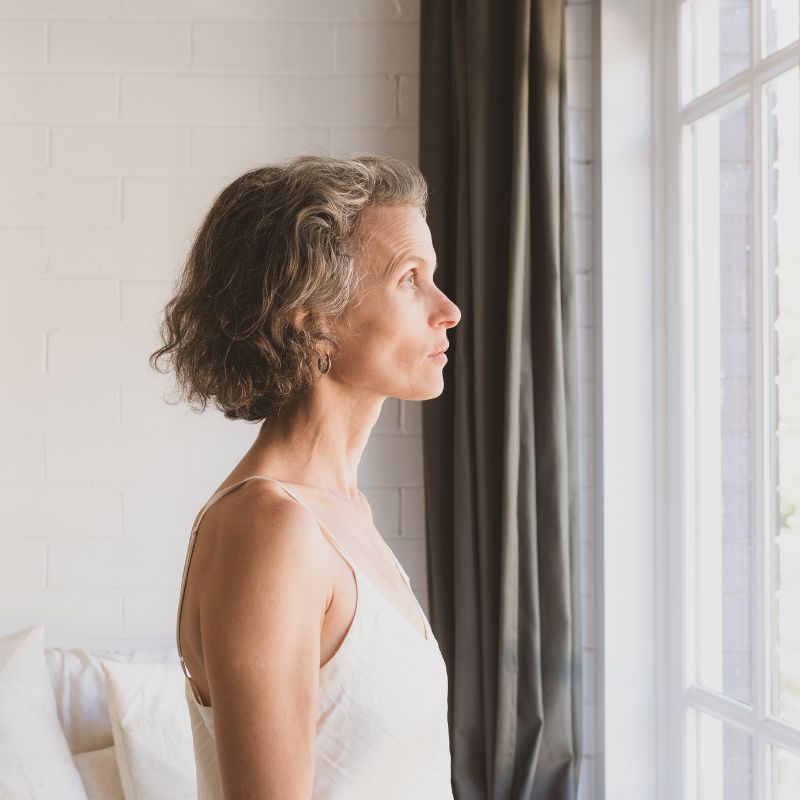
Menopause, the Heart, and the Conversation Women Deserve to Be Part Of
Category
March 30, 2026
Published
By Ashley Basilio, Certified Fitness Trainer & Menopause Health Coach, Founder of Get Fit With Ashley
For most of my life, I thought heart disease was something I’d worry about later. Much later. It felt distant, like an issue for “old age” or for people who hadn’t taken care of themselves.
Then perimenopause arrived.
Like many women, I started noticing changes that didn’t fit neatly into the boxes I’d been taught to expect. My energy felt different. My stress tolerance shifted. Sleep became less reliable. And what surprised me most wasn’t just how much my body was changing – it was how little guidance there was to help connect the dots, especially when it came to heart health and my symptoms.
Heart disease is the number one cause of death in women. In the U.S., one woman dies from cardiovascular disease every 80 seconds. Even more concerning, women are more likely than men to be misdiagnosed during a cardiac event, more likely to die in the year following one, and far more likely to have had no obvious warning signs beforehand.
These facts aren’t meant to frighten anyone. They’re meant to highlight a long-standing gap in how women’s health (especially beyond the reproductive years) has been understood and addressed.
Menopause Is a Whole-Body Transition
Historically, menopause has been treated as a reproductive issue – something that belonged almost entirely in the gynecologic realm. This narrow view, often referred to as “bikini medicine,” reduced women’s health to what happens under the bra and panties and ignored the far-reaching effects of hormonal change.
But estrogen receptors exist on every organ in a woman’s body – in the heart, blood vessels, brain, muscles, bones, and metabolic tissues. When estrogen declines, the impact is systemic, not isolated. Menopause isn’t just the end of periods. It’s a neurological, cardiovascular, musculoskeletal, and metabolic transition happening all at once. And because women now live into their 80s on average, many of us will spend decades navigating life in a low-estrogen state. Menopause isn’t something we pass through – it’s something we continue to live with. In fact, “post menopause” is a term I’m no longer using in my vocabulary. Women are never done with menopause.
Hormonal Changes Mean for Heart Health
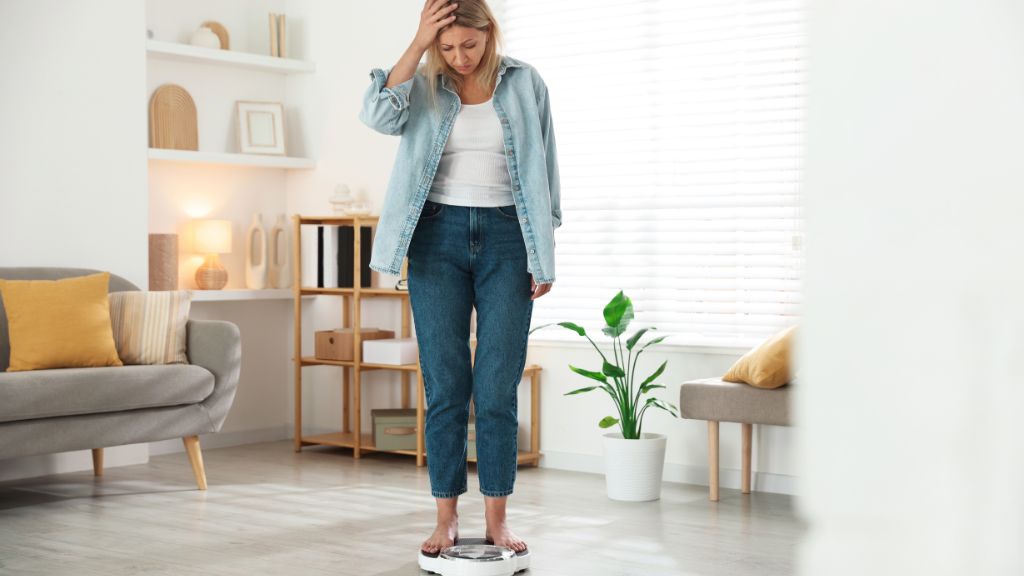
Estrogen plays a protective role in cardiovascular health. As levels decline during perimenopause and menopause, we often see changes such as rising LDL cholesterol, declining HDL cholesterol, increased insulin resistance, loss of muscle mass, and a shift toward abdominal fat storage.
These changes don’t happen because a woman has stopped caring for herself. They happen because biology has shifted. This is why so many women say, often with real frustration, “I’m doing all the same things I always did and my body feels different.”
They’re right. The rules have changed.
Hot Flashes Are More Than a Nuisance
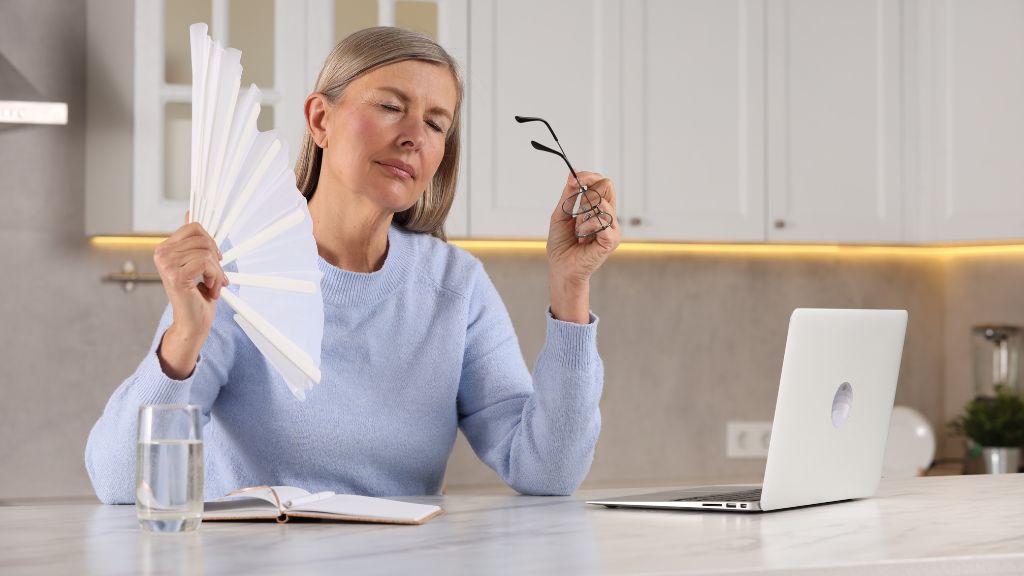
Hot flashes and night sweats affect roughly three out of four women during the menopause transition. They’re often brushed off as annoying or inconvenient, but they’re actually neurovascular events that originate in the brain and involve changes in blood vessel regulation.
Emerging research suggests that frequent or severe vasomotor symptoms may be associated with increased cardiovascular risk. Not because hot flashes themselves are dangerous, but because they reflect broader changes in the nervous system and vascular function.
These symptoms aren’t a failure of resilience. They’re meaningful signals that deserve attention.
A Word on Hormone Therapy
For healthy women without contraindications, estrogen-based hormone therapy is widely recognized as a first-line treatment for moderate to severe vasomotor symptoms and may also support cardiovascular health when started at the appropriate time. Hormone therapy isn’t for everyone, but it isn’t a simple yes-or-no decision. Timing, health history, and individualized care all matter. What’s essential is access to providers who understand menopause as a whole-body transition and can guide women through informed choices,not dismiss them with “this is just aging.” The place to go for science-backed information and trusted providers is menopause.org.
Strength, Movement, and the Bigger Picture
As estrogen declines, loss of muscle mass accelerates and visceral fat becomes more prominent – both of which directly affect heart health. Muscle plays a critical role in regulating blood sugar, managing inflammation, and supporting metabolic function.
2This is why heart health in midlife can’t be separated from strength training, nourishing food, restorative sleep, and stress regulation. Supporting the heart means supporting the whole system.
A More Hopeful Frame
Every day, more than 6,000 women in the U.S. enter menopause. This isn’t a niche issue, and no, menopause is not “having a moment”. It’s one of the most widespread and under-addressed public health transitions women experience.
The good news is that women are asking better questions, providers are collaborating across disciplines, and conversations that were once avoided are finally happening. Awareness leads to prevention. Prevention saves lives.
Menopause is not a signal of decline. It’s a signal of transition – one that invites deeper understanding, more intentional care, and a broader view of women’s health.
This conversation isn’t about fear. It’s about knowledge, agency, and support. And it’s one women deserve to be fully included in.
Bottom Line
Heart health is not something women should only think about later in life. It’s a midlife issue, a menopause issue, and a lifelong issue. Menopause doesn’t mean decline – but it does mark a period of change that calls for attention, education, and self-care.
When we understand what’s happening and respond with strength, nourishment, movement, and informed support, we give ourselves the best chance to protect our hearts and thrive in the years ahead.
About the Author

Ashley Basilio is the creator of Get Fit With Ashley and StrongHER Together, a supportive wellness community for women navigating midlife and beyond. A certified Personal Trainer, Health Coach, Group Fitness Instructor, and Menopause Health Coach Specialist, Ashley blends evidence-based education with real-life experience to help women build strength, confidence, and sustainable habits. She also shares free, accessible workouts through her YouTube channel, and hosts the StrongHER Voices podcast, where she creates space for honest conversations, learning, and connection to help women thrive through every stage of life.