Antidepressants or Hormones? Understanding Mood Treatment Options During Perimenopause
Category
April 15, 2026
Published
Many women enter their 40s expecting physical changes.
What often catches them off guard are the mental shifts.
You may notice:
- feeling more anxious than usual
- becoming easily overwhelmed
- increased irritability
- difficulty sleeping
- lower motivation or emotional flatness
And for many high-functioning women, the most confusing part is this:
“Nothing in my life has changed… so why do I feel like this?”
“Is this hormones, or is something wrong with my mental health?”
This is one of the most common questions during perimenopause and the answer is often not as simple as one or the other.

Why Mood Changes Happen During Perimenopause
Perimenopause is a transition and during this time, estrogen and progesterone levels fluctuate significantly.
These hormones don’t just affect your cycle.
They directly influence neurotransmitters like serotonin, dopamine, and GABA — which regulate mood, stress response, and sleep.
As these levels shift, you may experience:
- increased anxiety or tension
- irritability or mood swings
- sleep disruption
- decreased stress tolerance
- changes in focus or motivation
For women who are used to functioning at a high level, these changes can feel unexpected and often frustrating.
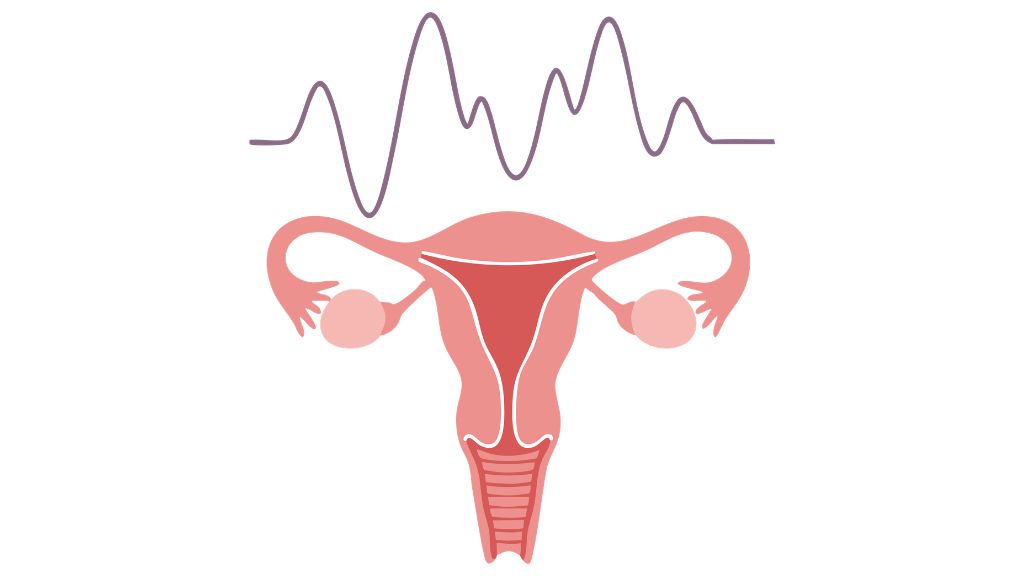
Hormones vs Mental Health: It’s Often Both
A common assumption is that mood symptoms during perimenopause are either hormonal or psychological.
In reality, they are often connected.
Hormonal fluctuations can affect brain chemistry in ways that increase vulnerability to anxiety, irritability, and low mood.
At the same time, underlying mental health patterns may become more noticeable during this transition.
This is why many women feel like:
- their usual coping strategies aren’t working
- their emotional responses feel stronger or harder to manage
- their baseline has shifted
Working with a provider experienced in women’s mental health and hormone-related mood changes can help clarify what’s driving your symptoms.
When Hormone Therapy May Be Helpful
For some women, hormone therapy can help stabilize fluctuations that are contributing to mood changes.
This may be especially helpful when symptoms are closely tied to:
- cycle irregularity
- sleep disruption
- sudden emotional shifts
By supporting more stable hormone levels, some women notice improvements in mood, sleep, and overall emotional regulation.
However, hormone therapy does not address all types of anxiety or depression, and it may not be the right fit for every woman.

When Antidepressants May Be the Right Option
Antidepressants can be helpful when symptoms are being driven more by changes in brain chemistry.
This may be the case if you’re experiencing:
- persistent anxiety or racing thoughts
- ongoing low mood
- irritability that feels difficult to control
- sleep disruption not explained by external factors
- feeling unlike yourself for an extended period
These medications work by supporting neurotransmitters like serotonin, which play a key role in emotional regulation.
For many women, this can help restore a sense of stability and make daily life feel more manageable again.
How Treatment Decisions Are Made
The decision between hormone therapy, antidepressants, or a combination of both is individualized.
It’s based on:
- the pattern and timing of your symptoms
- how symptoms are impacting your daily life
- your medical and mental health history
- your preferences and goals
The goal is not to label your experience, it’s to understand it.
Once that becomes clear, the right treatment approach becomes much easier to identify.

A More Comprehensive Way to Approach Care
Mood changes during perimenopause are rarely caused by one single factor.
A more complete approach looks at:
- hormonal patterns
- sleep quality
- stress load
- overall lifestyle demands
- underlying mental health patterns
This allows for a more personalized plan rather than guessing or trying to push through symptoms that don’t feel manageable.
Psychiatric Evaluation and Medication Management for Women in Pennsylvania, New Jersey, Delaware, and Florida
I provide psychiatric evaluation and medication management for women experiencing anxiety, mood changes, and hormonal transitions across Pennsylvania, New Jersey, Delaware, and Florida, helping you understand whether your symptoms are hormonally driven, related to mental health, or a combination of both.
If you’re feeling unsure about what you’re experiencing or what type of treatment makes sense, we can walk through that together. You can schedule a complimentary 15-minute phone consultation here to explore your options and next steps.
Final Thoughts
Perimenopause can shift how your brain and body feel in ways that aren’t always expected, especially for women who are used to functioning at a high level.
If something feels off, there is usually a reason.
And more importantly, there are options.Learn more about Behavioral Wellness for Women and how a personalized, integrative approach can help you better understand what’s happening and what support may help.

Brianna Dawson
MSN, PMHNP-BC
Psychiatric Nurse Practitioner
Founder, Behavioral Wellness for Women
Serving women virtually across Pennsylvania, New Jersey, Delaware, and Florida.

Leave a Reply
Most Loved Posts