Signs You Might Be in Perimenopause (Even If Your Period Is Still Regular)
Category
June 15, 2026
Published
If you’ve been feeling more anxious, irritable, exhausted, or unlike yourself lately, you may have wondered:
“Could this be perimenopause?”
Many women assume they can’t be in perimenopause if they’re still getting a monthly period. Others believe perimenopause doesn’t begin until their late 40s or early 50s.
In reality, perimenopause can begin years before menopause, and many women experience symptoms long before their periods become irregular.
Understanding the signs of perimenopause can help you recognize what’s happening in your body and know when it may be time to seek support.

What Is Perimenopause?
Perimenopause is the transitional period leading up to menopause.
During this time, hormone levels begin to fluctuate, particularly estrogen and progesterone. These hormonal shifts can contribute to a wide range of physical, emotional, and cognitive symptoms.
Menopause is officially diagnosed after you’ve gone 12 consecutive months without a menstrual period.
Perimenopause happens before that.
For many women, perimenopause begins in their 40s, but some women begin noticing symptoms in their late 30s.
Can You Be in Perimenopause If Your Period Is Still Regular?
Yes.
This is one of the biggest misconceptions about perimenopause.
Many women continue to have regular periods while experiencing symptoms associated with hormonal fluctuations.
In fact, symptoms such as anxiety, sleep disruption, irritability, brain fog, and mood changes may appear before significant changes in your menstrual cycle occur.
This is one reason many women don’t immediately recognize that perimenopause may be contributing to how they’re feeling.
Common Signs and Symptoms of Perimenopause
Every woman’s experience is different, but some of the most common symptoms include:
Changes in Your Menstrual Cycle
You may notice:
- Shorter cycles
- Longer cycles
- Heavier periods
- Lighter periods
- Spotting between periods
- Skipped periods
Some women notice significant cycle changes, while others experience symptoms long before their periods become irregular.
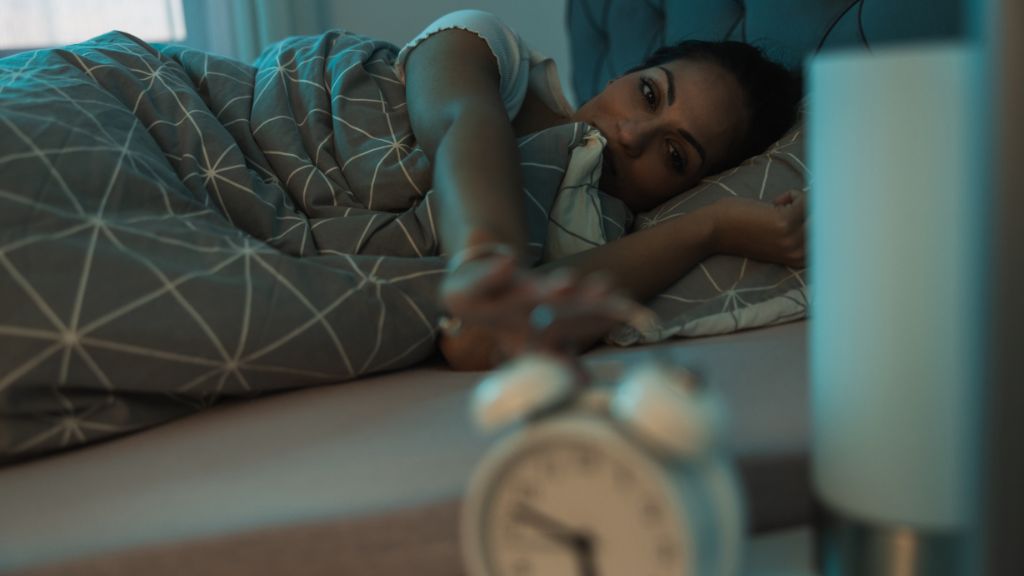
Sleep Problems
Many women notice changes in sleep during perimenopause.
This may include:
- Difficulty falling asleep
- Waking up during the night
- Early morning waking
- Feeling unrefreshed despite getting enough sleep
Poor sleep can often contribute to other symptoms such as fatigue, irritability, and difficulty concentrating.
Anxiety and Mood Changes
Some women who have never struggled with anxiety before begin experiencing:
- Increased anxiety
- Feeling overwhelmed
- Irritability
- Mood swings
- Lower stress tolerance
- Feeling emotionally reactive
These changes are often surprising because they may develop even when life circumstances haven’t significantly changed.
Brain Fog and Difficulty Concentrating
Many women describe feeling mentally “foggy.”
Common complaints include:
- Forgetfulness
- Difficulty finding words
- Trouble concentrating
- Reduced productivity
- Feeling less mentally sharp
This can be especially frustrating for high-achieving women who are used to performing at a high level.
Hot Flashes and Night Sweats
While hot flashes are often associated with menopause, they can begin during perimenopause.
Symptoms may include:
- Sudden feelings of warmth
- Flushing
- Excessive sweating
- Night sweats
Other Possible Symptoms
Additional symptoms may include:
- Fatigue
- Weight changes
- Joint aches
- Lower libido
- Vaginal dryness
- Headaches
- Changes in skin or hair
Not every woman experiences every symptom.
Why So Many Women Miss the Signs
Many perimenopause symptoms overlap with symptoms of stress, burnout, anxiety, depression, or simply having a busy life.
As a result, women often dismiss what they’re experiencing or assume they just need to push through it.
Others are told they’re “too young” to be in perimenopause.
The reality is that hormone fluctuations can begin years before menopause and may affect women differently.
If you’ve noticed changes in how you feel physically, emotionally, or mentally, it’s worth paying attention.
When Should You Seek Support?
You don’t need to wait until symptoms become severe.
If symptoms are affecting your quality of life, sleep, relationships, work performance, or overall well-being, it may be helpful to seek professional guidance.
Many women benefit from a personalized approach that considers not only symptoms but also factors such as hormones, sleep, nutrition, lifestyle, and overall health.
If you’re looking for support related to perimenopause, understanding the bigger picture can be incredibly helpful.

What Can Help?
The best approach depends on your individual symptoms and circumstances.
Potential treatment considerations may include:
- Lifestyle modifications
- Sleep optimization
- Nutritional support
- Targeted supplementation
- Medication when appropriate
- Hormonal considerations when appropriate
At Behavioral Wellness for Women, this comprehensive philosophy is one of the reasons the Mood & Hormone Clarity Evaluation was developed—to help women better understand the factors that may be contributing to how they’re feeling.
Frequently Asked Questions
What age does perimenopause start?
For many women, perimenopause begins in their 40s, although some women begin noticing symptoms in their late 30s.
Can you be in perimenopause if your periods are regular?
Yes. Many women experience symptoms of perimenopause before significant changes occur in their menstrual cycle.
How long does perimenopause last?
Perimenopause varies from woman to woman but often lasts several years before menopause occurs.
Can perimenopause cause anxiety?
Hormonal fluctuations during perimenopause can contribute to increased anxiety, irritability, mood changes, and lower stress tolerance in some women.
Is brain fog a symptom of perimenopause?
Yes. Difficulty concentrating, forgetfulness, and feeling mentally less sharp are commonly reported symptoms during perimenopause.
Final Thoughts
Perimenopause is a normal transition, but that doesn’t mean you have to simply accept symptoms that are affecting your quality of life.
Recognizing the signs of perimenopause is often the first step toward understanding what’s happening and identifying strategies that may help you feel more like yourself again.
Behavioral Wellness for Women provides personalized psychiatric care for women throughout Pennsylvania, New Jersey, Delaware, and Florida.
If you’d like to learn more, schedule a complimentary 20-minute phone consultation to discuss your symptoms and explore whether support may be right for you.

Brianna Dawson is a psychiatric nurse practitioner and founder of Behavioral Wellness for Women, a boutique women’s mental health practice serving women throughout Pennsylvania, New Jersey, Delaware, and Florida. She specializes in helping women navigate hormonal transitions, including pregnancy, postpartum, PMDD, and perimenopause, through a personalized and comprehensive approach to care.
Brianna Dawson
MSN, PMHNP-BC